You own your customer list now — here's what to do with it
The aggregator trap is renting customers you can never reach. How to build a first-party list the compliant way, turn one-time orderers into regulars, and handle consent cleanly.
Insights and updates about digital menus, restaurant technology, and online food ordering.
The aggregator trap is renting customers you can never reach. How to build a first-party list the compliant way, turn one-time orderers into regulars, and handle consent cleanly.
AOV, repeat rate, GP, refund rate and prep time — the metrics that actually tell you how the business is doing, the vanity numbers to ignore, and how to make it a 15-minute habit.
Set allergens once and inherit them down. How to handle modifiers that add allergens, communicate 'may contain' honestly, and keep it all accurate when recipes change.
The 14 allergens, PPDS vs made-to-order, and why 'please ask staff' doesn't work online. What UK law actually expects your ordering page to display — and when.
Summer changes what people order — lighter food, cold drinks, more impulse extras. A digital menu can keep up in minutes, not days. Here's what to change, what to feature, and what to leave alone.
The 2026 World Cup runs from 11 June to 19 July, and for takeaways and pubs it's the biggest demand event of the summer. Here's how to set your online ordering up so a match-night rush fills the till instead of breaking the kitchen.
The Tipping Act is eighteen months old, the government consultation has closed, and October 2026 brings new consultation duties. Here's where things stand for restaurants taking tips online — and the bits most operators are still getting wrong.
Aggregators don't just take a commission — they hold your money for a week or more. For most small food businesses, the cash flow gap is a bigger problem than the headline fee.
ASAP orders are easy. Pre-orders are where most kitchens come unstuck. Here's how to use scheduling, capacity limits, and lead times to keep service smooth without turning customers away.
What it actually costs to deliver an order, how to charge for it without scaring customers off, and when a service charge makes more sense than baking it into prices.
Modifier groups are one of the most effective ways to increase average order value. Here's how to structure them so customers feel good about spending more.
The psychology and strategy behind menu design — from category ordering and product placement to modifier pricing and average order value.
A step-by-step walkthrough of going from zero to accepting your first online order, covering menus, delivery zones, payments, and the mistakes to avoid along the way.
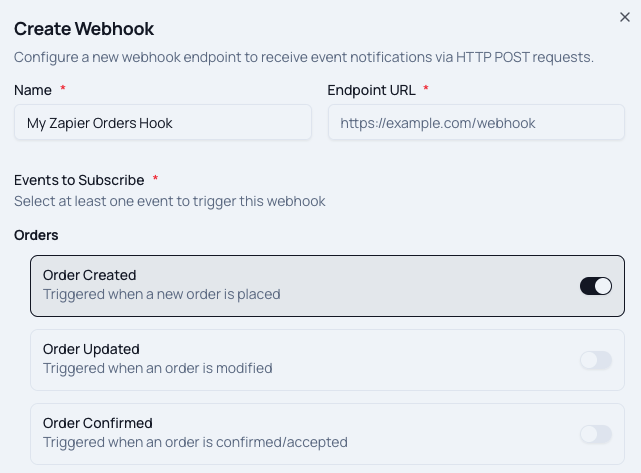
Learn how to automate your restaurant operations by connecting TypeMenu to Mailchimp, Slack, Google Sheets, WhatsApp, and more using webhooks and Zapier.
How customer expectations have evolved as online food ordering becomes routine, and what restaurants need to deliver in 2026
Most branded food apps are rebadged clones that lock restaurants into vendors. A mobile-first web storefront delivers the same experience without the long-term risk.
Ghost kitchens, dark kitchens, cloud kitchens — what they actually are, why the market is racing toward $112bn, and why the ordering technology behind them matters.
Compare 10 ways to take online payments for your takeaway — card terminals, phone orders, payment links, aggregators and direct ordering — and what each really costs.
Direct online ordering is now the backbone of independent food businesses. Why now is the time to start, how click & collect drives growth, and how to build a local brand.
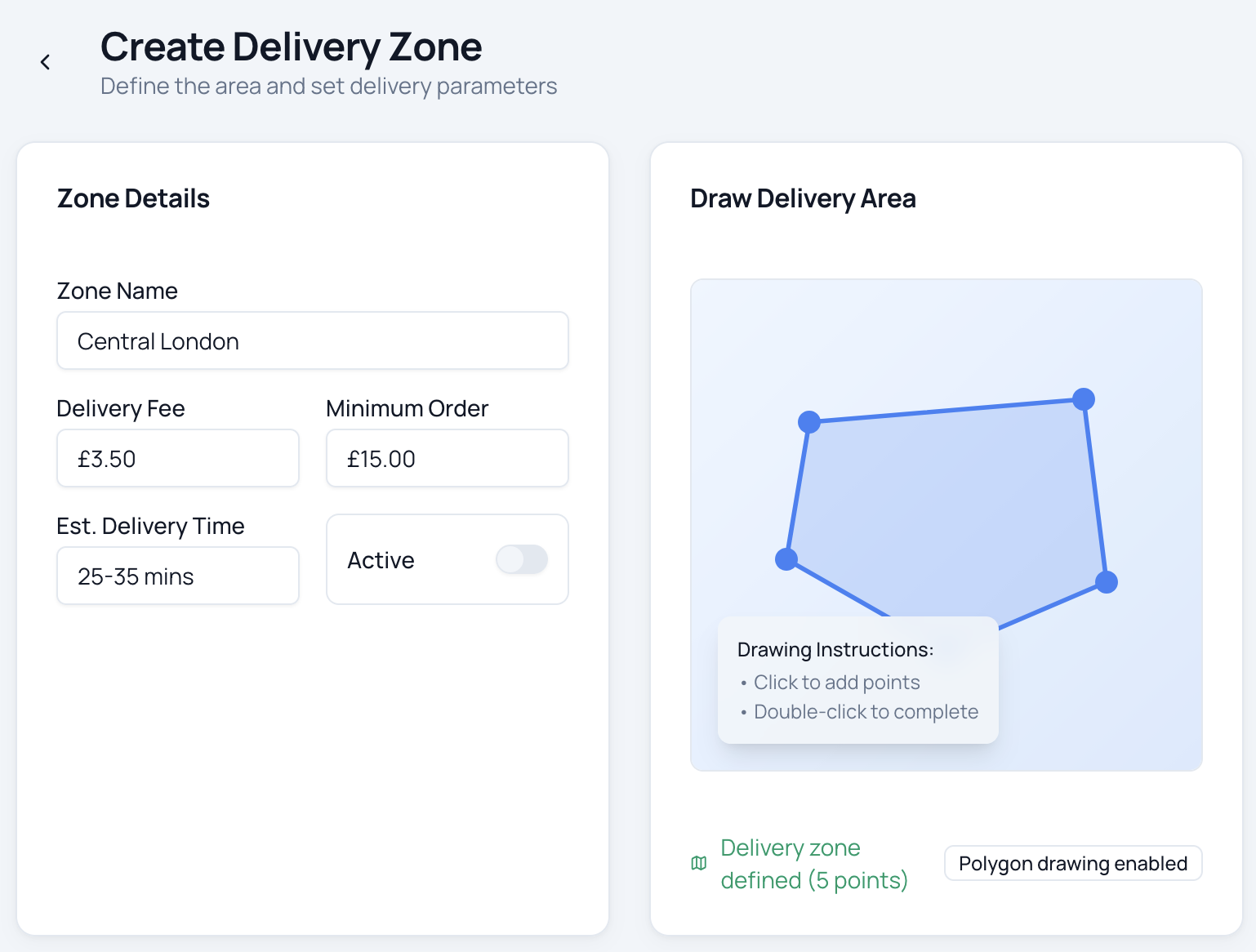
Radius and postcode delivery tools ignore rivers, motorways and awkward streets. How we replaced them with custom map-drawn zones — each with its own hours and pricing.
Aggregators charge 15–30% per order and keep your customer data. How restaurants can move diners from third-party apps to direct ordering and reclaim thousands in margin.
Learn how to transition from paper menus to digital menus and boost your restaurant's efficiency and customer experience.