
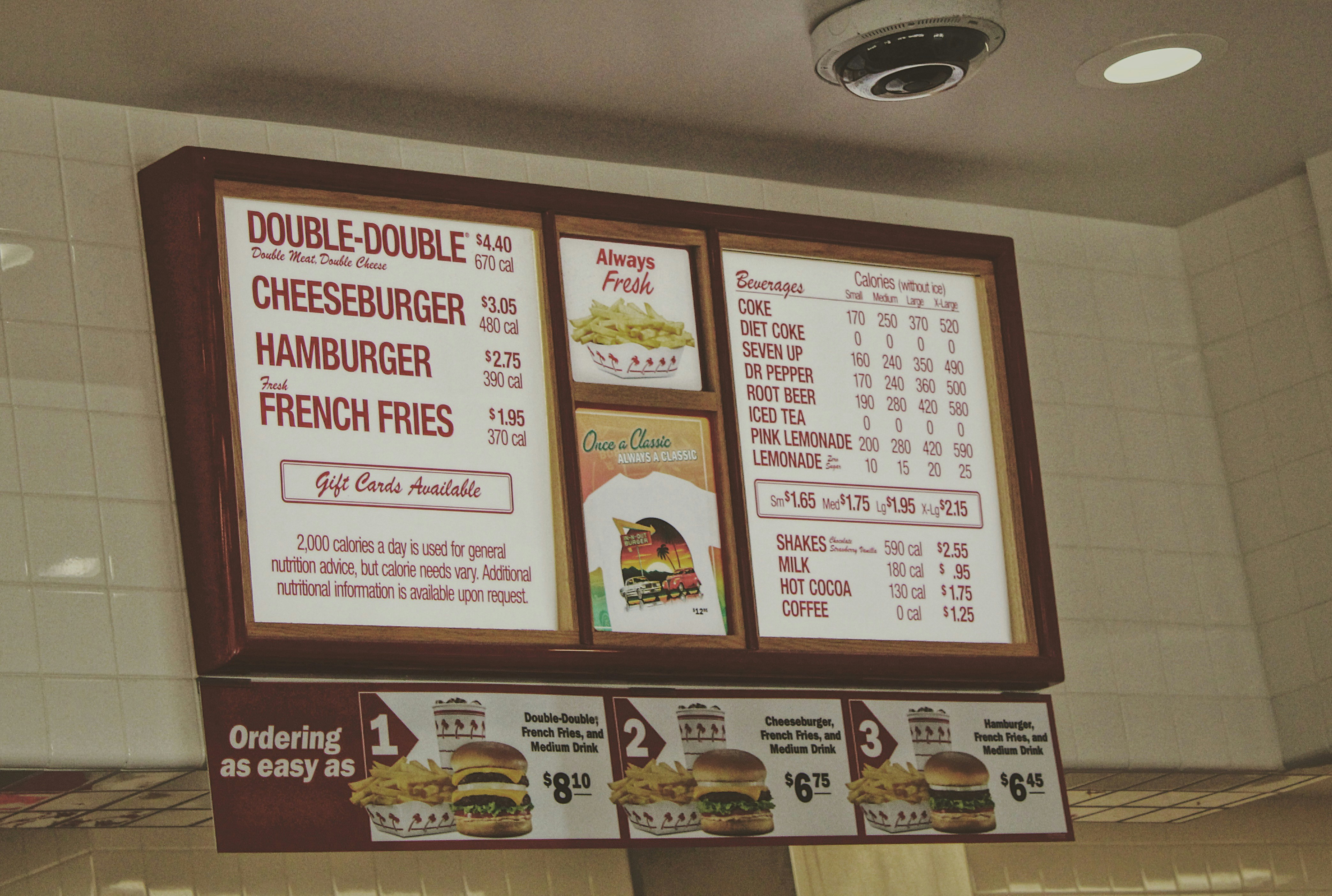
Most restaurant owners think of their menu as a list of things they sell. And it is — but it’s also a decision-making environment. The way products are organised, described, and priced shapes what people order, how much they spend, and whether they add that extra side or dessert.
Menu engineering is the practice of designing your menu with intention. Not to manipulate customers, but to present your food clearly and make it easy for people to find what they want — including things they didn’t know they wanted.
Category order matters more than you think
When customers open a digital menu, they don’t read it from top to bottom the way they might read a physical menu at a table. They scan. They look for a familiar category, tap into it, and start making decisions from there.
This means the order of your categories sets the tone for the entire experience.
Lead with your strengths. If your restaurant is known for its burgers, don’t bury them under starters and soups. The first category a customer sees should contain your most popular or highest-margin items. That’s where attention is highest and decision fatigue is lowest.
End with add-ons. Drinks, sides and desserts sit naturally at the end of the menu because that’s where customers look once they’ve chosen their main. Placing them earlier risks cluttering the experience before the customer has committed to anything.
Keep the number of categories manageable. Six to ten categories is a comfortable range for most restaurants. If you have 20 categories, customers waste time scanning a long list before they even see a product. Group related items — “Sides & Extras” rather than separate categories for chips, salads, dips and bread.
The power of featured products
Not all products are equal. Some have higher margins. Some are easier to prepare during a rush. Some are simply what your restaurant does best.
Highlighting a small number of products — whether as “popular”, “chef’s pick”, or simply placed at the top of a category — gives customers a shortcut. When someone isn’t sure what to order, a clear recommendation reduces hesitation and speeds up the decision.
This works because of a well-documented effect in decision psychology: when people face too many options, they either default to what’s familiar or abandon the choice entirely. Curating the top of each category is a way of saying “start here” without being pushy.
A practical approach: look at your order data. Identify the three or four products that sell most in each category. Feature those. If you don’t have data yet, start with the items your kitchen can execute most consistently and that carry your best margins.
Modifiers are where average order value grows
The main product is the anchor. Modifiers — toppings, extras, upgrades, sides — are where the order value increases.
Most customers are willing to spend a bit more once they’ve committed to a product. The psychology is simple: the decision to order a burger is the big one. Adding bacon for £1.50 feels trivial by comparison.
But how you structure modifiers matters:
Make some free. Offering a few no-cost options (sauce choice, cooking preference) gives customers a sense of customisation without adding to the bill. That goodwill makes them more receptive to paid extras.
Price paid modifiers relative to the product. An extra topping on a £14 pizza at £1.50 feels reasonable. The same topping on a £6 wrap might feel disproportionate. Keep the ratio sensible.
Use required modifier groups sparingly. Forcing a selection works for genuinely necessary choices — “Choose your size” or “Choose your base” — but requiring customers to pick from optional extras creates friction. Let optional things be optional.
Set maximum selections where it makes sense. “Choose up to 3 free toppings” is a better prompt than an open-ended list. It signals value (you get three included) and sets a natural boundary that makes paid extras feel like a deliberate upgrade.
Writing descriptions that sell without overselling
Product descriptions on a digital menu serve a different purpose than on a printed menu. On paper, descriptions add atmosphere. On screen, they need to be scannable and informative.
A few principles:
- Lead with what the product is. “Grilled chicken breast with roasted peppers, feta and a lemon herb dressing” tells the customer everything they need. No preamble required.
- Mention key ingredients, especially differentiators. If you use locally sourced meat or house-made sauces, say so — briefly. These details justify pricing and create perceived value.
- Keep it to one or two lines. On mobile, long descriptions push images and prices off screen. If a customer needs to scroll past the description to see what it costs, it’s too long.
- Skip the superlatives. “Our famous hand-crafted artisanal…” doesn’t add information. It adds words. Customers are surprisingly good at tuning out filler.
Pricing strategy: the details that shift behaviour
Pricing isn’t just about covering costs and adding margin. Small presentation choices affect how customers perceive value and make decisions.
Avoid price anchoring by accident. If the first item in a category is your most expensive, everything else feels like a compromise. If it’s your cheapest, customers anchor low and resist spending more. Place a mid-range item first — it sets a comfortable reference point.
Bundle where it makes sense. A meal deal (main + side + drink for a set price) simplifies the decision and typically increases overall spend compared to ordering items individually. The customer feels they’re getting value; you move more products per order.
Use tiered sizing to your advantage. When offering small, medium and large, the medium is almost always the most popular. Price it as your target — it’s where most customers will land. The large exists to make the medium feel reasonable, and the small exists for customers who want a lighter option.
Be consistent with pricing patterns. If most of your modifiers are priced in round numbers (£1, £1.50, £2), an oddly specific price like £1.73 stands out and creates doubt. Consistency signals that pricing has been thought through.
The menu as a living system
The biggest mistake in menu engineering is treating it as a one-time exercise. Menus should evolve based on what you learn.
Review your order data regularly. Which products sell well? Which ones rarely get ordered? Which modifiers are popular and which are ignored? This information tells you where to invest attention and where to simplify.
Seasonal rotation keeps your menu fresh without requiring a full redesign. Swapping in a few seasonal specials every month or two gives returning customers something new to try, and gives you an opportunity to test new products before committing to them permanently.
Remove underperformers without guilt. A product that sells two units a week isn’t earning its place on your menu — it’s adding complexity to your kitchen and clutter to your customer’s screen. Cut it, and redirect attention to what’s working.
The compound effect
No single change here will transform your revenue overnight. But the combined effect of thoughtful category ordering, strategic product placement, well-structured modifiers, clear descriptions and considered pricing adds up.
A restaurant that increases its average order value by even £2-3 through better menu design, across hundreds of orders a month, is looking at meaningful revenue growth — without serving a single extra customer.
Menu engineering isn’t about tricks. It’s about presenting what you already sell in a way that’s clear, intentional and easy for customers to navigate. When people find what they want quickly and feel good about what they’re ordering, they spend more. Not because they were manipulated, but because the experience made it easy.