
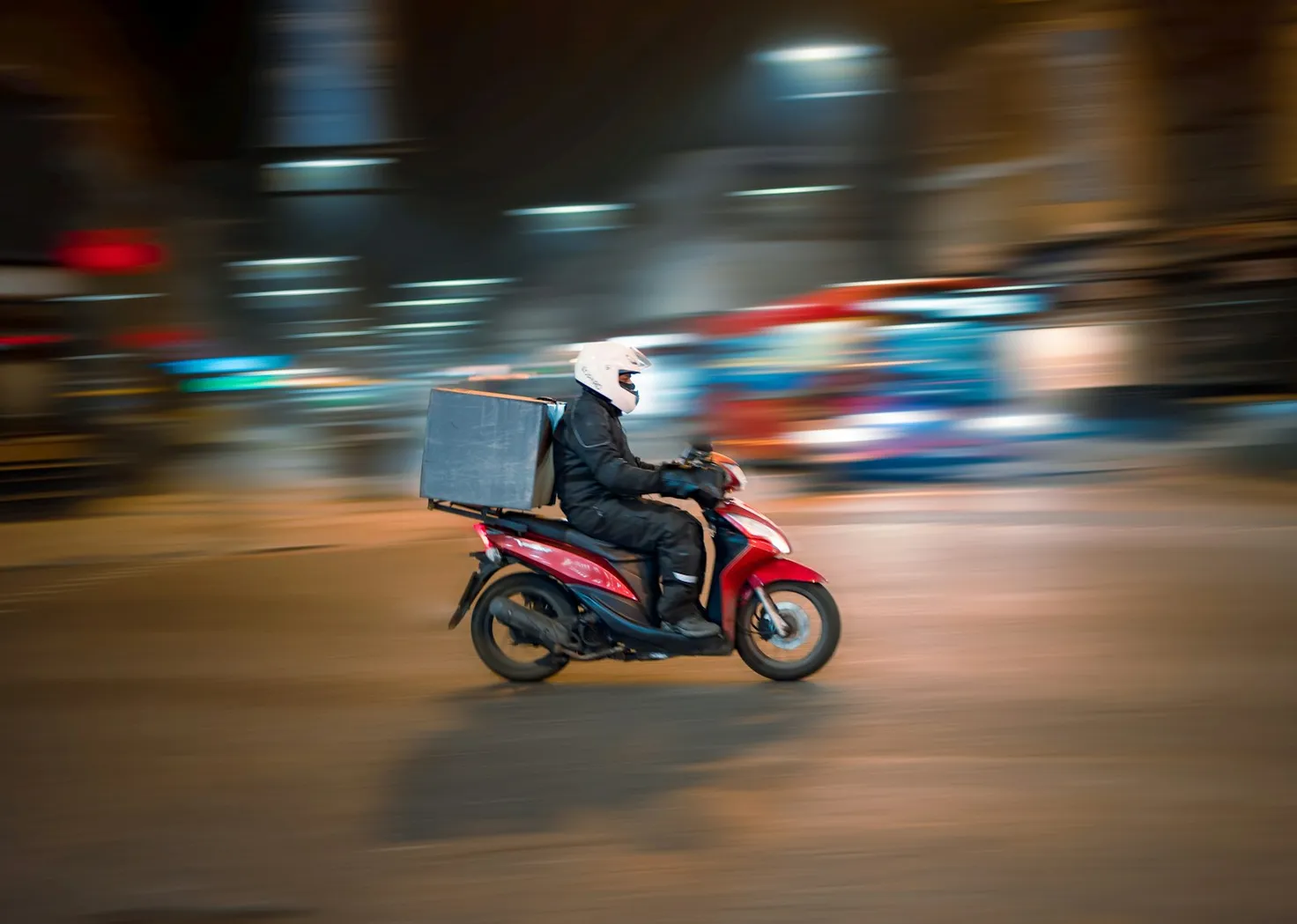
The pitch for a ghost kitchen is appealing because the costs that usually sink a food business aren’t there. No front of house, no fit-out, no rent on a high street. If you already have a kitchen, the second brand looks almost free: same staff, same equipment, a new name on the aggregator app, and a new revenue line by the end of the month.
We’ve spent a lot of time with people who’ve done it, and the ones who struggled almost never struggled with the food. They struggled with things that looked like details until launch day. We’ve put the ones that come up most into a free Ghost Kitchen Readiness Check: thirteen questions, about three minutes, a score and a list of what to fix first. This post is the thinking behind the questions.
Kitchen and capacity
Where would the brand cook from? An existing kitchen with spare capacity is the cheap route in. A shared or commissary kitchen is the next best. A home kitchen can be registered but comes with limits on volume. No kitchen at all means the first job isn’t a brand, it’s a lease or a time-share.
How much spare capacity is there at peak? This is the question people answer optimistically. The second brand’s orders don’t arrive on a quiet Tuesday. They arrive at seven on a Friday, on top of the first brand’s orders, in the same fryer. “Plenty” is a good answer. “Some” is workable with a separate prep window. “Peak is already flat out” means the second brand needs its own line or its own hours, and you should decide which before the first order, not during it.
Is the premises registered as a food business? In the UK that’s registration with the local authority at least 28 days before trading, and a hygiene rating after inspection. It’s free and it’s not optional. A surprising number of plans skip it because the kitchen is “already a restaurant”, which is true, but a new brand trading from it still needs to be covered.
Delivery and fulfilment
How does food reach the customer? Your own drivers are best for a dense local area and worst for reach. Aggregator couriers give you reach and take a commission on every order. An on-demand courier service sits in between. “We haven’t decided” is the most common answer and the most expensive one to leave until launch.
How well do you know the delivery area? Not the radius in miles, the area in minutes. Twenty minutes door to door is the usual ceiling before most food stops being good. Map zones on real drive times at the hours you’ll actually deliver, which is not the same as distance on a map at two in the afternoon.
Does the packaging survive the journey? Delivery-only means every single order is a delivery. Steam, stacking, spills and twenty minutes in a bag are the whole customer experience. Test every dish in its packaging after a real drive, not a walk to the car park. Soggy and cold are the top two complaints for delivery brands, and both are packaging problems before they’re kitchen problems.
Can you control the flow of orders in a rush? In a restaurant you can tell a table it’ll be ten more minutes. Online you can’t, so you need the controls instead: pause ordering, stretch quoted prep times, cap orders per time slot. If you can only pause, you’ll pause too late and lose the next twenty minutes of orders entirely.
Demand and brand
Do you already take delivery orders online? If yes, you have a workflow and some data. If only through aggregators, you have a workflow and no customers of your own. If not at all, launch day is also the first day you’ll ever have processed a delivery order, which is a lot to learn with money on the line.
What do you have to launch the brand with? A ghost kitchen has no shopfront. Nobody walks past. People have to hear about it somewhere, and the cheapest somewhere is an audience you already have: a social following, a customer list from the first brand, a reputation that transfers, or failing those, a budget. Launching with none of them means paying an aggregator for every single customer, forever.
Is the menu designed for delivery? The best delivery menus are short, travel well, share ingredients with what the kitchen already holds, and carry a good margin after packaging. Taking the dine-in menu as-is is the most common mistake: it’s too long, half of it doesn’t travel, and it doubles the prep.
Operations and numbers
How do orders reach the kitchen? Every order arrives digitally, so the kitchen needs a screen and a printer, not a phone and a pad. A shared device works at low volume and breaks at ten orders an hour.
Do you know the food cost and margin per dish? After packaging and delivery, not just ingredients. A dish that earns 70% at the counter can lose money in a box once you add £1 of packaging and a courier. Cost every dish before you set a price, and cost it honestly.
Are allergens documented for every item? Delivery customers can’t ask the chef, and the law doesn’t make an exception for a brand with no door. Document them, publish them online, and make them visible on every item before checkout.
What the score means
The check gives you a percentage and one of four bands, from “early stage” to “launch-ready”, with a breakdown by section and up to five things to fix first, in order. It’s deliberately blunt. A high score doesn’t mean the brand will work, but a low one is a reliable signal that money spent on a launch now would be money spent on finding out what the check would have told you for free.
Take the Ghost Kitchen Readiness Check. If you want the longer version of the thinking, the guides on starting a ghost kitchen from an existing kitchen and the business plan numbers go into each section in depth.